
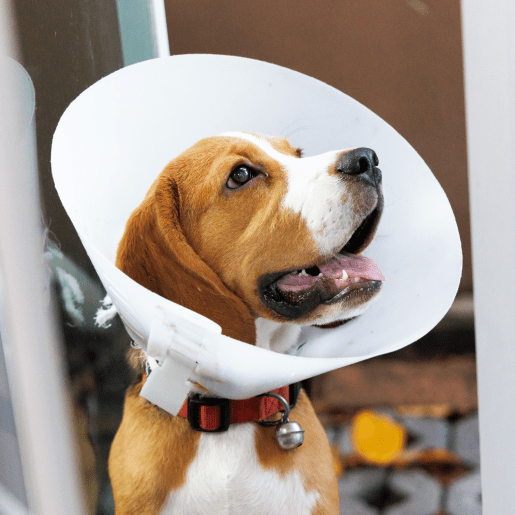
Surgery
We provide a range of surgical services at Buck Creek Veterinary Clinic, from routine procedures to more complex operations. Our surgical team has the experience and equipment to handle your pet’s needs safely and effectively, with a focus on pain management and getting your pet back to normal as quickly as possible.
Surgical Services We Offer
Our surgical capabilities include:
- Spay and neuter procedures
- Dental procedures and extractions
- Soft tissue surgery (masses, lumps, wound repair)
- Bladder stone removal
- Other procedures as needed
Spay and Neuter: Why It Matters
Spaying and neutering aren’t just about preventing unwanted litters—though that’s important. These procedures offer real health benefits for your pet and can make life easier for everyone.
Health Benefits:
- Spaying eliminates the risk of uterine infections and greatly reduces the risk of mammary cancer in females
- Neutering prevents testicular cancer and reduces prostate problems in males
- Both procedures can help your pet live a longer, healthier life
Behavioral Benefits:
- Reduced roaming and the risks that come with it (fights, accidents, getting lost)
- Less marking behavior in males
- Often decreases aggression, especially in male dogs
Most pets can be spayed or neutered around four to five months of age, but we’ll recommend the best timing based on your pet’s breed, size, and health.
Understanding an ACL Tear and Surgery
One of the most common orthopedic injuries in dogs is a torn cranial cruciate ligament, often referred to as an ACL tear. The cranial cruciate ligament is the main stabilizer of the knee, and when torn, can cause persistent limping and pain in a hind leg.
How to recognize the signs of an ACL tear:
- Limping or lameness in a hind leg; favoring one hind leg over the other
- “Toe-touching lameness” or refusing to bear weight on a hind leg. This can look like the dog holding the leg up to run or walk, but the toes might touch the ground when standing.
- Stiffness or difficulty rising
- Swelling or pain around the knee joint
- Becoming less playful or active
Causes and Risk Factors:
- Genetic predisposition: German shepherd, Rottweilers, Labradors, or other large breed dogs are at a greater risk, however any dog can suffer from an ACL tear.
- Obesity: Excessive weight increases stain on the joints.
- Degeneration: weakening of the ligament slowly over time.
- Sudden Movement or Trauma: Dogs that play frisbee or ball are at an increased risk due to increased pivoting or twisting of the hind legs during play.
Treatment Options:
When one of our doctors diagnoses an ACL tear, surgical intervention is often the best way to restore full function of the leg as well as to reduce long-term pain. Without surgery, the knee may develop long-term arthritis or pain. Conservative or non-surgical management may be considered in smaller dogs or when surgery is not possible. For the majority of medium and large breed dogs, surgery offers the highest chance of full recovery and mobility. At Buck Creek Veterinary Clinic, we provide surgery services for dogs under 80 pounds to address this common orthopedic problem. For dogs larger than 80 pounds or are very active, we have several recommended referral partners to perform a procedure called a Tibial Plateau Leveling Osteotomy (TPLO).
Surgery – The Lateral Suture Procedure:
At Buck Creek Veterinary Clinic, our goal is to stabilize the knee and restore function to the affected leg. During the procedure, a strong, nylon suture is placed around the fabella (a small bone behind the femur) and passed through a small hole drilled through the tibia (shinbone). This is done outside the joint to mimic the cranial cruciate ligament, therefore stabilizing the knee and reducing pain.
Recovery and Aftercare:
Proper home care will help ensure a successful outcome from surgery. Strict rest to allow the leg to heal is necessary during the first couple of weeks of recovery. Gradually, your dog’s activity can be increased after the initial 2-week incision healing period is over. Controlled leash walks, passive range of motion exercises, and physical rehabilitation may be recommended to restore mobility and build muscle. Full recovery from this type of orthopedic surgery can take anywhere from eight weeks to several months, depending on your dog’s age, overall health, and adherence to the post-operative rehabilitation plan.
If you’re concerned about a possible CCL tear, please make an appointment at Buck Creek Veterinary Clinic so we can talk about treatment options to get your pet on the road to recovery.
Your Pet’s Surgery: What to Expect
Before any surgery, we’ll do a pre-operative exam and diagnostics as needed, and create an anesthetic plan tailored to your pet. During the procedure, a skilled surgical team member monitors vital signs closely using appropriate equipment. After surgery, we’ll give you clear instructions for post-operative care and schedule a follow-up to make sure your pet is healing properly. We know pet surgery can be stressful. We’ll walk you through the process and answer your questions so you know what to expect.
To schedule a surgical consultation or discuss spaying or neutering your pet, call us at (765) 345-2103.